


-

Add: HeBei ShengShi HongBang Cellulose Technology CO.,LTD.
-

Email
13180486930@163.com -

CONTACT US
+86 13180486930


Hydroxypropyl starch phosphate is an increasingly popular ingredient in skincare products , and for good reason. This innovative compound combines natural starch with phosphate to enhance its functionality and benefit a myriad of skin types. Its rise in popularity is not just a fad; it's rooted in solid science and consumer experience. Derived primarily from natural sources like corn or potatoes, hydroxypropyl starch phosphate offers several advantages that align seamlessly with the needs of both consumers and formulators. Fundamentally, it serves as an exceptional texture enhancer in creams, lotions, and serums. Unlike traditional thickeners, it provides a silky-smooth finish that is often sought after in high-end skincare products. This means when applied, products feel luxurious and pampering, creating an indulgent experience that consumers love. In addition to texture enhancement, hydroxypropyl starch phosphate plays a crucial role in stabilizing emulsions, ensuring that oil and water components in skincare formulations do not separate over time. This stability is particularly important for multi-ingredient complex formulations, allowing active ingredients to remain evenly distributed, thus maximizing efficacy. Stability also translates to an extended shelf life, which is a significant consideration for both consumers and retail outlets. From a dermatological perspective, hydroxypropyl starch phosphate is non-irritating and safe for sensitive skin. Unlike some chemical thickeners and stabilizers, this starch derivative does not clog pores, making it an excellent choice for formulations targeted at acne-prone or reactive skin. Its ability to absorb excess oil without stripping the skin of essential moisture is another notable feature, making it suitable for oily skin types while maintaining a balance that is gentle enough for drier skin. Expertise in skincare formulation reveals that hydroxypropyl starch phosphate also aids in enhancing the delivery of active ingredients. Due to its molecular structure, it can help convey moisture deeper into the skin layers, optimizing the hydration properties of a product. This translates to improved performance of active ingredients, whether they are anti-aging, brightening, or soothing components. hydroxypropyl starch phosphate in skin care In the realm of experience, numerous skincare enthusiasts have praised products containing hydroxypropyl starch phosphate for their lightweight feel and non-greasy finish. These products tend to absorb quickly into the skin, leaving behind a velvety finish that preps the skin beautifully for makeup application or simply for a bare-skin glow. The real-life testimonials stand as a testament to the compound’s capabilities, further increasing its credibility among users who prioritize both efficacy and experience in their skincare regime. Authoritative research backs the safety and efficacy of hydroxypropyl starch phosphate, with numerous studies confirming its hypoallergenic properties and performance in enhancing skin feel and formulation stability. Regulatory bodies have approved its use globally, a mark of trust that allows consumers and formulators to incorporate this ingredient without reservation. The endorsement by dermatologists and skincare professionals further solidifies its standing in the industry, adding a layer of trustworthiness to its growing reputation. For a more sustainable approach to skincare, many conscious consumers will appreciate that hydroxypropyl starch phosphate is biodegradable. Derived from renewable resources, it aligns with the increasing demand for environmentally friendly beauty products. As the beauty industry progresses towards more sustainable practices, ingredients like hydroxypropyl starch phosphate not only meet the crucial functionality required by modern skincare but also support a sustainable future. Consumers keen on elevating their skincare routine should look for this innovative ingredient in their products. Brands that incorporate hydroxypropyl starch phosphate often showcase transparency and a commitment to quality, understanding the complex needs of today’s diverse skincare audience. As the understanding of this ingredient continues to evolve, more skincare products are expected to leverage its multifaceted benefits, making it a staple in high-performance skincare formulations. In conclusion, hydroxypropyl starch phosphate is more than just a functional ingredient; it is a bridge between efficacy and indulgence, expertly tailored for modern skincare needs. From improving product stability to enhancing the user experience, it represents a sophisticated advancement in the formulation of skincare products. With an impressive balance of credibility and innovation, this ingredient is set to remain an influential component in skincare regimens worldwide.
- 40000tons

Production
- 20+years

Experience
- 5000+㎡

Acreage

-
The demand for high-quality rubber products has never been higher, driven by advancements in manufacturing, sustainability, and innovation. One such product that is gaining significant attention is rubber powder for sale . This versatile material, derived from recycled rubber, is being used across a wide array of industries, including construction, automotive, and sports. Its growing popularity is not just about its functionality but also its environmental benefits, as it promotes the recycling of rubber waste into valuable raw materials. In this article, we will explore the importance of rubber powder for sale and its many applications, as well as highlight some of the specialized rubber products such as rubber accelerator free gloves , micronized rubber powder , and natural rubber powder that are contributing to a greener future. The Advantages of Using Rubber Powder for Sale in Various Industries Rubber powder for sale is a product that offers incredible versatility, used in applications ranging from asphalt production to the manufacturing of high-performance sports surfaces. As a sustainable and eco-friendly material, rubber powder for sale is primarily sourced from used tires and other rubber waste products. By recycling rubber into powder form, this material can be easily integrated into a wide range of manufacturing processes. One of the key benefits of rubber powder for sale is its role in enhancing the durability and flexibility of materials. In asphalt, for example, rubber powder can be blended into mixtures to improve the road’s resilience, longevity, and resistance to weathering. This not only contributes to better infrastructure but also plays a role in reducing the amount of waste rubber that would otherwise end up in landfills. Additionally, rubber powder for sale is used in the production of playground surfaces, sports tracks, and flooring materials. Its shock-absorbing properties ensure that these surfaces are safe, durable, and long-lasting. With growing concerns over environmental sustainability, utilizing rubber powder for sale in these applications offers a solution to both waste management and product innovation. The Rising Popularity of Rubber Accelerator Free Gloves in Industrial Applications For industries that require personal protective equipment (PPE), rubber accelerator free gloves are becoming an increasingly popular choice. These gloves are made from rubber compounds that do not use chemical accelerators during the manufacturing process, making them safer for workers with sensitive skin and reducing exposure to harmful substances. As the demand for environmentally friendly products grows, rubber accelerator free gloves are gaining traction due to their non-toxic nature and hypoallergenic properties. The key advantage of rubber accelerator free gloves lies in their ability to maintain the same performance levels as traditional gloves without the risks associated with accelerator chemicals. These gloves offer excellent elasticity, durability, and resistance to abrasions, ensuring that workers are protected in environments where they handle chemicals, medical instruments, or machinery. In addition to the health and safety benefits, rubber accelerator free gloves are also favored for their environmentally friendly composition. As industries continue to prioritize sustainability, the switch to rubber accelerator free gloves offers a safer and greener alternative to traditional rubber-based PPE products. The Role of Micronized Rubber Powder in Enhancing Product Performance Micronized rubber powder is a finely ground form of rubber that offers a range of performance-enhancing benefits for various products. This ultra-fine powder is produced by grinding rubber down to micron sizes, which significantly increases its surface area and allows it to be incorporated more effectively into different materials. The benefits of micronized rubber powder are numerous, especially in applications where durability, elasticity, and impact resistance are key considerations. One of the most common uses of micronized rubber powder is in the production of high-performance coatings, sealants, and adhesives. The finely ground powder improves the elasticity and durability of these products, allowing them to withstand harsh environmental conditions such as extreme temperatures and moisture. It is also used in rubber compounds to improve the overall flexibility and resilience of the material. In addition, micronized rubber powder is increasingly being incorporated into the manufacturing of tires, flooring materials, and automotive components. By enhancing the rubber’s strength and flexibility, micronized powder can contribute to longer-lasting and more reliable products. Furthermore, it can be used to reduce costs in production by replacing a portion of more expensive raw materials, all while contributing to sustainability efforts by using recycled rubber. Natural Rubber Powder: A Sustainable Option for Eco-Friendly Manufacturing As industries seek to reduce their environmental footprint, natural rubber powder has emerged as a sustainable option for a wide range of applications. This powder is derived from natural rubber, making it a renewable resource that can be used in products that require high elasticity and durability. The use of natural rubber powder is particularly important in industries such as construction, automotive, and footwear, where the material’s superior properties are highly valued. One of the key benefits of natural rubber powder is its ability to provide excellent flexibility and strength without the use of synthetic additives. This makes it an ideal choice for manufacturing products that need to maintain their shape and integrity over time, such as automotive seals, gaskets, and hoses. By utilizing natural rubber powder , manufacturers can create eco-friendly products that offer the same performance as their synthetic counterparts while minimizing their impact on the environment. R ubber powder for sale , along with specialized products such as rubber accelerator free gloves , micronized rubber powder , and natural rubber powder , is transforming industries by providing sustainable, eco-friendly solutions that enhance performance and reduce environmental impact. As the world continues to prioritize sustainability, these rubber products are becoming essential components in a wide range of applications, from construction to personal protective equipment. By embracing rubber powder for sale and its various forms, industries can reduce their reliance on virgin materials, minimize waste, and create products that offer superior performance and durability. Whether it’s for improving road surfaces, producing high-quality gloves, or enhancing rubber compounds, these innovative rubber products are paving the way for a greener, more sustainable future.
-

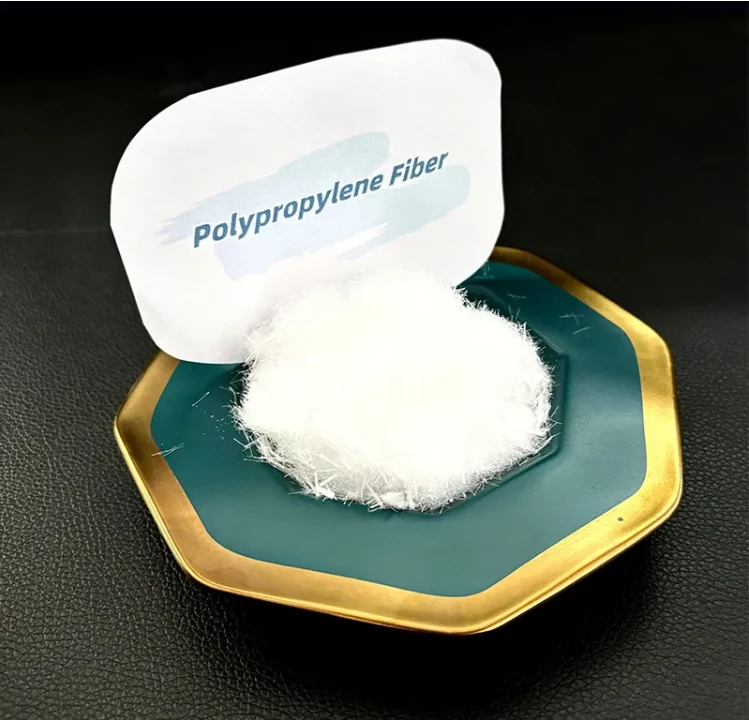
Understanding Polypropylene Fibers for Concrete Slabs Enhancing Durability and Performance In the realm of construction, the search for materials that enhance the durability and overall performance of concrete structures is a constant pursuit. Among various innovative solutions, polypropylene fibers have emerged as an effective reinforcement medium, particularly in the context of concrete slabs or soleras. This article explores the characteristics, benefits, applications, and considerations of using polypropylene fibers in concrete mixtures, shedding light on their significance in modern construction. What are Polypropylene Fibers? Polypropylene fibers are synthetic fibers derived from the polymerization of propylene monomers. These fibers are lightweight, resistant to chemical degradation, and have excellent tensile strength. Due to their inherent properties, they have been increasingly used in various construction applications, particularly as additives in concrete mixes. When integrated into concrete, polypropylenes create a three-dimensional matrix that enhances the material's integrity. Benefits of Using Polypropylene Fibers in Concrete Slabs 1. Reduced Cracking One of the primary advantages of incorporating polypropylene fibers into concrete slabs is the significant reduction in plastic and shrinkage cracking. Concrete is susceptible to cracking as it cures due to temperature variations and drying shrinkage. Polypropylene fibers help to distribute stress more evenly, effectively reducing the likelihood of cracks forming. 2. Improved Impact Resistance The addition of polypropylene fibers enhances the impact resistance of concrete slabs. This is particularly beneficial in applications where heavy loads or foot traffic are expected, such as industrial floors, warehouses, and parking garages. The fibers absorb and dissipate energy during impact, reducing damage and extending the lifespan of the flooring. 3. Enhanced Durability Polypropylene fibers contribute to the long-term durability of concrete. They help to mitigate the adverse effects of environmental factors such as freeze-thaw cycles, moisture penetration, and the corrosive actions of de-icing salts. This is crucial for structures exposed to harsh environmental conditions. 4. Lightweight and Cost-effective Compared to traditional steel reinforcement methods, polypropylene fibers are lightweight and generally more cost-effective . Their ease of incorporation into the mixing process minimizes labor costs and simplifies transportation and handling. 5. Aesthetic Benefits When polypropylene fibers are used in concrete mixtures, they can help provide a more uniform and aesthetically pleasing finish. The fibers can be evenly dispersed throughout the concrete, contributing to a consistent appearance and reducing surface imperfections. fibras de polipropileno para solera Applications in Concrete Construction Polypropylene fibers are versatile and can be used in various concrete applications. Some notable examples include - Industrial Floors In warehouses and factories, durable floors that can withstand heavy machinery and foot traffic are essential. Polypropylene fibers enhance the robustness of these slabs, reducing maintenance costs and downtime due to repairs. - Decorative Concrete In decorative concrete applications, such as stamped or colored concrete, polypropylene fibers can improve the structural integrity while allowing for creative design without compromising strength. - Pavements and Sidewalks The addition of polypropylene fibers to pavements and sidewalks helps to increase their lifespan, reduce maintenance, and improve overall performance against environmental stressors. Considerations for Use While polypropylene fibers offer numerous benefits, several considerations should be taken into account. Proper dosage is crucial; excessive amounts may lead to workability issues during mixing and placement. It is also essential to ensure that the selected fibers are compatible with the specific concrete mix design and any other additives being used. Furthermore, thorough testing should be conducted to understand how polypropylene fibers will interact with the specific conditions of the intended application, including environmental exposure and load requirements. Collaborating with concrete specialists can help optimize the use of polypropylene fibers for desired outcomes. Conclusion In conclusion, the integration of polypropylene fibers in concrete slabs presents a myriad of benefits that enhance performance, durability, and aesthetic appeal. As construction continues to evolve, the adoption of such innovative materials will be paramount in meeting the demands of modern infrastructure. With ongoing research and development, polypropylene fibers stand to play a significant role in improving concrete technology, ensuring stronger, more resilient structures for the future. Embracing these advancements not only promotes economic efficiency but also plays a vital role in sustainable building practices.
advantages
-

200000 Viscosities
Excellent product
We can produce pure products up to 200,000 viscosities
-

40000 tons
High yield
We don’t stop production all year round, and the annual output can reach 40,000 tons
-

24 hours
Quality service
We provide 24-hours online reception service, welcome to consult at any time
———— Inquiry Form
Schedule A services

-
 cellulose_wood_fibers
Oct . 25, 2025
How to Make HPMC Gel A Step-by-Step Guide Hydroxypropyl methylcellulose (HPMC) is a versatile polyme -
 hpmc_2
Oct . 25, 2025
In today’s industrial and personal care sectors, raw materials must deliver more than just functiona -
 retaine_hpmc_0_point_3
Oct . 25, 2025
Rubber Powder Production Line Revolutionizing Material Recycling In an era where sustainability and


